The more we explore the world, the more we understand the beauty of diversity.
Classes: III–V
Activity: Discovering Countries of the World
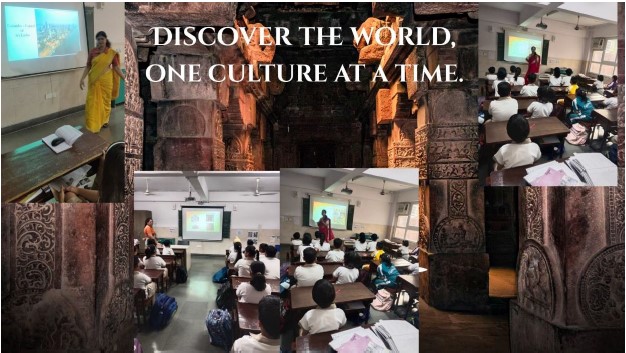
Students of Classes III to V embarked on an exciting journey of global discovery through interactive PowerPoint presentations and short documentaries that introduced them to the cultures of India, Indonesia, and Sri Lanka. They learned interesting facts about the languages, capitals, cuisines, festivals, monuments, and customs that make each country unique. The colourful visuals and engaging discussions sparked curiosity among the young learners and helped them connect with traditions beyond their own surroundings. Through this activity, students developed a foundation for deeper cultural exploration and began to appreciate the diversity that exists across different nations.
Crafting Cultures of the World
Classes: III–V
Activity: Warli and Batik Art Workshop
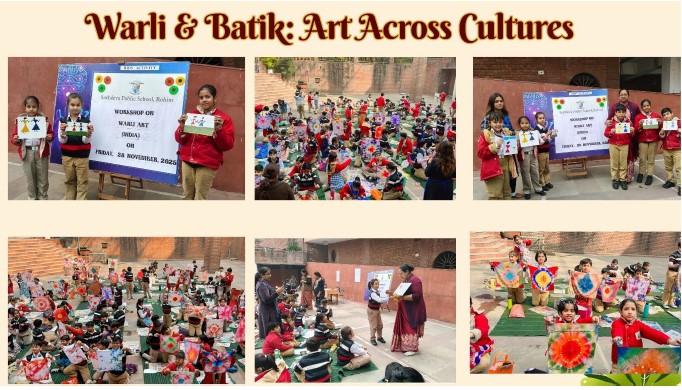
Students enthusiastically participated in an enriching art workshop that introduced them to two beautiful traditional art forms—Warli Art from India and Batik Art from Indonesia. During the session, they learned about the cultural origins and distinctive styles of these art traditions. Warli art, known for its simple geometric figures and earthy tones, depicts scenes of village life, nature, and celebrations, reflecting the deep connection between people and their surroundings. Batik art, on the other hand, is admired for its intricate patterns and vibrant colours that traditionally decorate textiles in Indonesia.
Guided by the Resource person MS. Seema from HT PACE, students explored these techniques by creating their own artwork inspired by both traditions. They used creative patterns, shapes, and colour combinations to design their pieces, carefully observing the unique characteristics of each style. Through this hands-on activity, students not only enhanced their artistic and observational skills but also developed an appreciation for the cultural heritage behind these traditional art forms. The workshop helped them understand how art serves as a powerful medium through which communities express their history, beliefs, and everyday life while celebrating the diversity of global cultures.
Activity: Sri Lankan Devil Mask Workshop
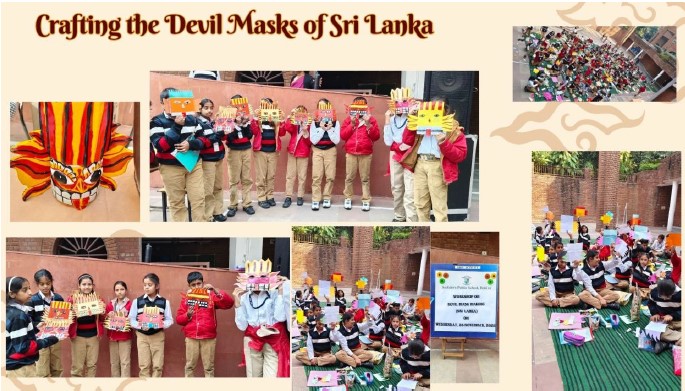
Students discovered the fascinating cultural tradition of devil masks from Sri Lanka through an interactive workshop. They learned that these colourful masks are part of traditional performances and rituals in Sri Lankan culture. Using vibrant colours and imaginative designs, students crafted their own expressive masks, exploring different shapes and patterns. The activity allowed them to understand how art and performance are closely connected in cultural traditions while enhancing their creativity and confidence.
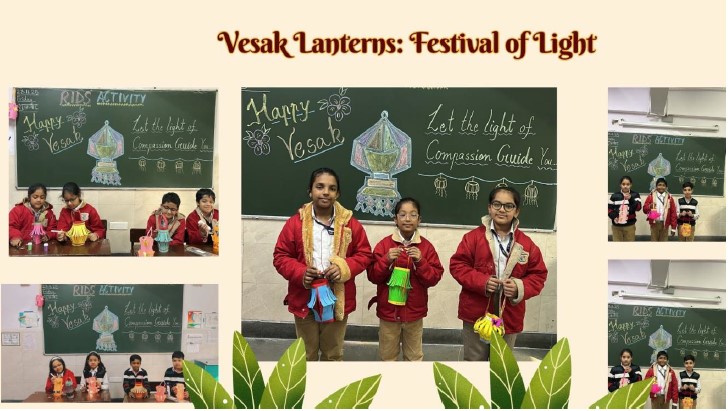
Activity: Vesak Lantern Making
Students enthusiastically created vibrant Vesak lanterns, inspired by the traditional celebrations of Vesak in Sri Lanka, a festival that commemorates the life and teachings of Lord Buddha. Using recycled paper, colourful craft materials, and decorative elements, they carefully designed and assembled beautiful lanterns that reflected the spirit of the festival. As they worked on their creations, students also learned about the cultural and spiritual significance of Vesak and how lanterns are used to symbolize light, peace, and enlightenment during the celebrations.
The activity encouraged creativity and environmental responsibility, as students reused materials to produce unique and colourful decorations. It also helped them understand how festivals across different cultures bring people together and spread messages of kindness, harmony, and compassion. By the end of the activity, students proudly displayed their lanterns and carried with them a deeper appreciation of global traditions and the values they represent.
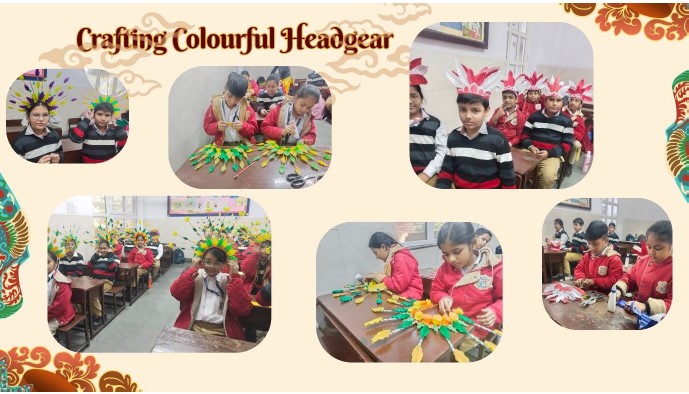
Activity: Headgear Making Workshop
Students enthusiastically participated in a lively Headgear Making Workshop, where they explored the creativity and cultural significance of traditional headgear from different parts of the world. Using colourful craft materials, paper, beads, and decorative elements, students designed their own unique headpieces inspired by cultural styles and festive traditions.
The activity encouraged imagination and hands-on learning as students experimented with patterns, colours, and shapes to create vibrant headgear. While working on their designs, they also learned how headgear in many cultures symbolises identity, celebration, and artistic expression.
The workshop not only strengthened their creativity and fine motor skills but also helped them appreciate how traditional attire and accessories reflect the heritage and customs of different communities. Students proudly showcased their colourful creations, making the experience both enjoyable and culturally enriching.
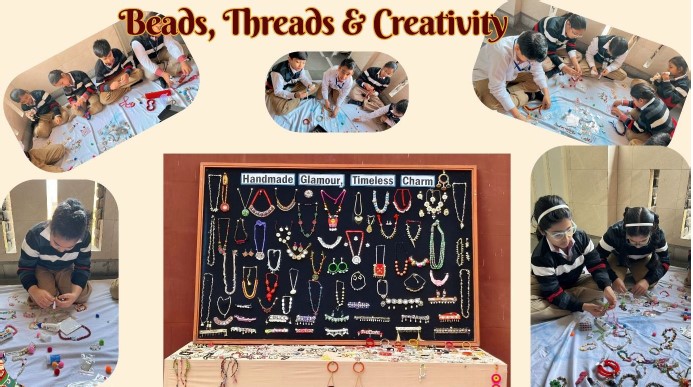
Activity: Traditional Jewellery Making Workshop
Students explored the beauty of traditional jewellery inspired by the vibrant cultures of India, Indonesia, and Sri Lanka. During the engaging workshop, they designed colourful bracelets and simple decorative ornaments using beads, threads, and various craft materials. As they worked with different colours and patterns, students discovered how jewellery in many cultures is not only decorative but also represents artistic traditions, heritage, and identity.
The activity encouraged creativity, patience, and fine motor skills while giving students an opportunity to learn about the cultural importance of ornaments worn during festivals, ceremonies, and everyday life in different countries. Through this hands-on experience, students expressed their imagination and gained an appreciation for how jewellery reflects the craftsmanship and cultural stories of communities around the world.
Festivals bring people together and fill the world with joy and goodwill.
Classes: III–V
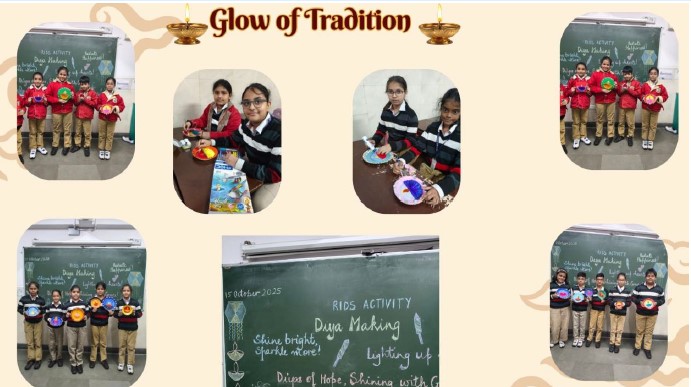
Activity: Diya Making Workshop
Students enthusiastically participated in a creative Diya Making Workshop, where they designed and decorated traditional earthen lamps inspired by the festival traditions of India. Using clay diyas, vibrant paints, glitter, and decorative materials, students transformed simple lamps into colourful works of art. While decorating their diyas, they also learned about the cultural significance of lighting lamps during festivals such as Diwali, where diyas symbolize the victory of light over darkness and the spread of happiness and positivity.
The activity encouraged artistic expression, patience, and creativity while helping students connect with traditional Indian customs and celebrations. It also gave them an opportunity to understand how simple cultural symbols carry deep meanings and values in everyday life. By the end of the workshop, students proudly displayed their beautifully decorated diyas and carried with them a sense of joy, cultural appreciation, and festive spirit.
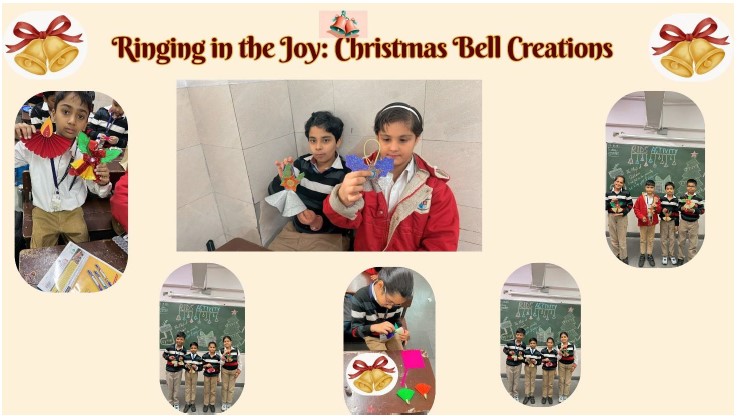
Activity: Christmas Bell Craft Workshop
Students joyfully participated in a festive craft workshop where they created decorative Christmas bells, inspired by the Christmas celebrations observed in many parts of the world. Using colourful craft paper, ribbons, and bright decorative materials, students designed cheerful bells that symbolise happiness, celebration, and the spirit of togetherness associated with the festive season.
As they worked on their creations, students learned about how Christmas is celebrated across different countries and cultures, and how symbols like bells are used to spread joy and festive cheer. The activity encouraged creativity, collaboration, and artistic expression while introducing them to global festive traditions. Through this engaging experience, students not only enjoyed crafting beautiful decorations but also understood how celebrations around the world bring people together and promote messages of peace, kindness, and goodwill.
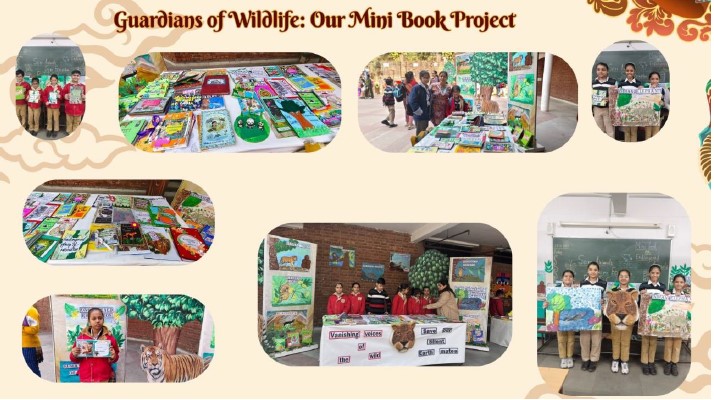
The future of wildlife is in our hands.
Classes: III–V
Students participated in a thoughtful and engaging research activity in which they created colourful mini-books highlighting endangered animals from different countries such as India, Indonesia, and Sri Lanka. While working on their projects, students explored fascinating wildlife from these regions and collected pictures of animals like the Bengal tiger from India, the orangutan from Indonesia, and the Sri Lankan elephant from Sri Lanka. They carefully wrote short descriptions about these animals, the challenges they face in their natural habitats, and the important conservation efforts being undertaken to protect them.
Through this creative project, students developed research, writing, and presentation skills while also gaining a deeper understanding of the importance of protecting biodiversity. The activity encouraged them to reflect on how human actions impact wildlife and how small efforts can contribute to conservation. By the end of the activity, students carried home not only their beautifully prepared mini-books but also a stronger sense of responsibility towards protecting animals and preserving the natural world for future generations.
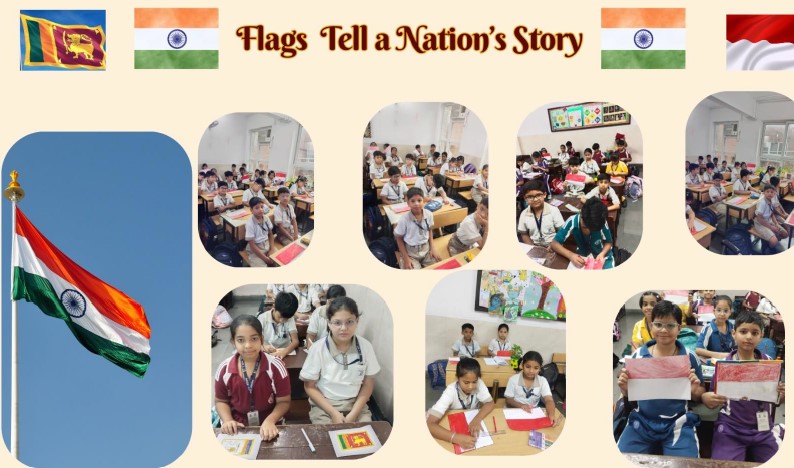
A flag is a symbol of a nation’s pride and identity.
Classes: III–V
Activity: Exploring National Flags and Symbols
Students explored the meaning of national identity by drawing and colouring the flags of India, Indonesia, and Sri Lanka. As they carefully recreated the colours and designs of these flags, they learned how each element represents the history, values, and beliefs of a nation. Teachers explained the significance behind the colours, symbols, and patterns, helping students understand how flags tell the story of a country’s heritage and aspirations.
The activity encouraged creativity while also deepening students’ awareness of cultural diversity and national pride. As they presented their drawings and shared what they had learned with their classmates, students developed a greater respect for national symbols and realised how flags unite people and reflect the spirit and identity of a nation.
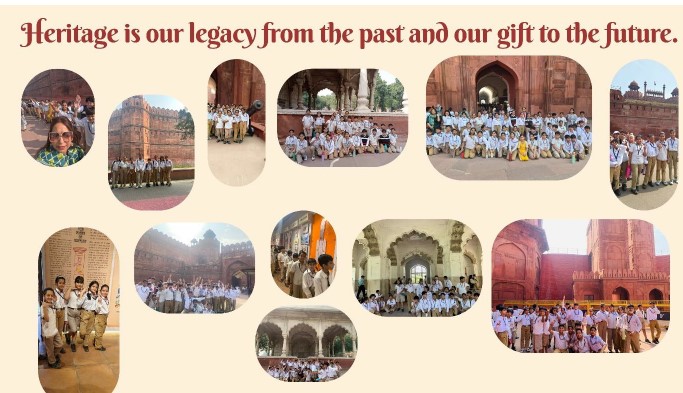
Heritage is our legacy from the past and our gift to the future.
Classes: III–V
Activity: Heritage Exploration and Virtual World Tour
Students experienced history beyond the classroom through an enriching heritage exploration that focused on the historic Red Fort, one of the most iconic monuments of India. Through engaging discussions, photographs, and guided explanations, they learned about the historical importance of this magnificent structure and its role in reflecting the rich cultural and architectural heritage of the nation. The activity helped students understand how monuments preserve stories of the past and stand as reminders of the achievements and traditions of earlier times.
Extending their learning further, students also explored important heritage landmarks through a virtual tour that highlighted famous sites from Indonesia, India, and Sri Lanka. Through visuals and informative discussions, they discovered how different countries protect and celebrate their cultural treasures. This experience broadened their global perspective and helped them appreciate the importance of safeguarding monuments and heritage sites so that future generations can continue to learn from and cherish them.
Culture is the widening of the mind and of the spirit.
Classes: III–V
Activity: Cultural Carnival and Assembly Showcase
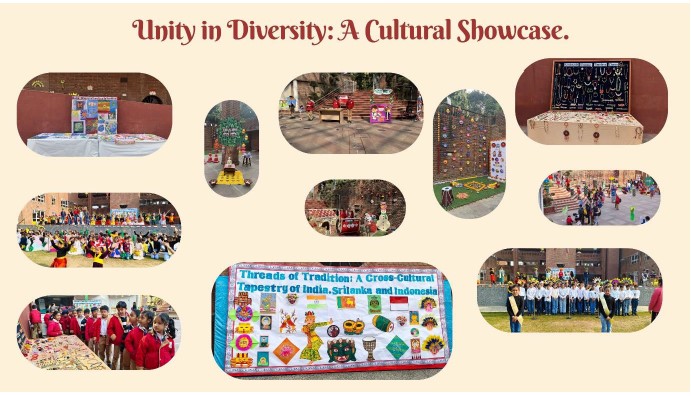
The programme culminated in a vibrant Cultural Carnival and Assembly Celebration where students proudly showcased the traditions of India, Indonesia, and Sri Lanka. Throughout the month, students had worked diligently to research, create, and prepare various cultural displays and presentations. The celebration featured traditional games, colourful costumes, handmade jewellery, lanterns, crafts, and other cultural artefacts that reflected the rich heritage and artistic traditions of these nations. The beautifully arranged displays created an immersive learning environment and provided students with an opportunity to share their discoveries and creativity with the entire school community.
The highlight of the celebration was the lively assembly dances, where students performed graceful and energetic dance routines inspired by the traditional rhythms and movements of the three countries. Their confident performances reflected not only their practice and dedication but also their growing appreciation of different cultures. Through this joyful and collaborative experience, students strengthened their teamwork, creativity, and confidence while gaining a deeper understanding that exploring diverse cultures encourages respect, curiosity, and a broader global outlook.